Indonesia supplies approximately 80% to 85% of global rattan raw material demand, yet most of its collectors still earn below market value. A reliable, digital supply chain can change that.
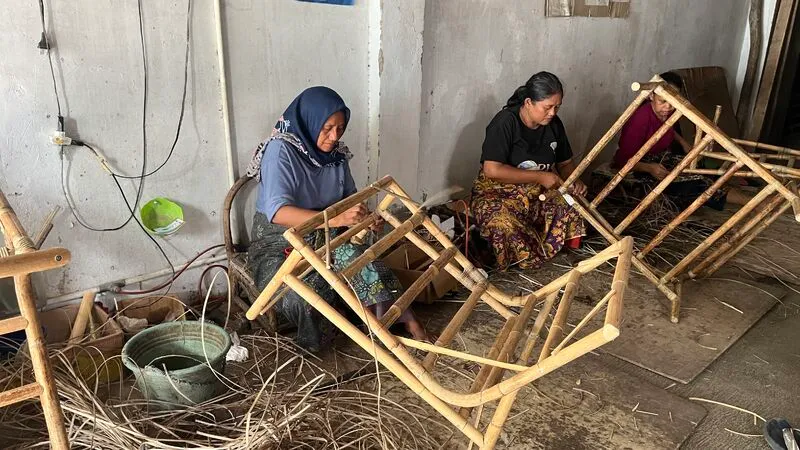
Indonesia is home to the world’s largest rattan industry and supplies approximately 80% to 85% of global raw material demand. Yet most of its collectors still earn below market value, and many crafters still struggle with traceability, efficiency and certification readiness.
Why rattan matters
Rattan is sustainable by nature: it grows fast, it can be harvested without clearing forest, and it stores carbon. It is one of the few commodities where environmental responsibility and commercial opportunity really line up.
What holds it back
Without a reliable supply chain, that opportunity stays out of reach. Producers earn less than they could, and buyers cannot count on consistent supply.
Many producers still work with manual, fragmented processes, while buyer and audit requirements keep growing.
How PasarMIKRO helps
PasarMIKRO digitizes Indonesia’s agricultural and forestry supply chains, rattan included. Our platform:
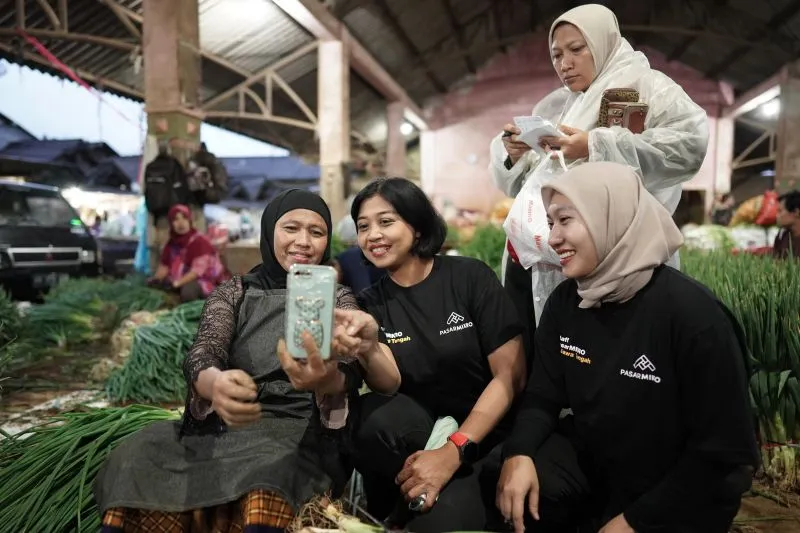
- Connects coordinators of home weavers directly with buyers, without unnecessary intermediaries.
- Makes pricing fair and transparent.
- Provides financing, so producers can operate with stability.
An integrated system for rattan producers
For producers, PasarMIKRO offers the Integrated Rattan Supply Chain Management System. It helps them streamline operations, strengthen their documentation and meet buyer and audit requirements, replacing manual, fragmented processes with one transparent system that keeps costs under control. It covers five areas:
- Raw material tracking from end to end: full visibility from intake to production.
- Quality control and production monitoring: better workflow performance.
- Warehouse and inventory management: fewer losses and better-managed stock.
- Costing, budgeting and transaction tracking: real-time figures for better decisions.
- Order and delivery management: more reliable delivery for buyers.
With automated operations and real-time data, producers get firmer control over materials, costs and compliance. That makes them ready for certification and audits, and able to compete globally.
What it adds up to
The result is better margins for coordinators and home weavers, more consistent supply for buyers, and full traceability for stakeholders who care about sustainability.
Work with us
If you are a rattan producer, exporter or buyer looking for reliable, traceable and efficient operations, or your organization works in sustainable supply chains, rural financing or impact investment in Southeast Asia, we would like to talk. Write to us at hello@pasarmikro.id.
Tags
- Rattan
- Supply chain
- Sustainability
- Traceability
- Trade finance